Alpha and Omega
a story about the Light

Before there was anything,
there was the Light.
"In the beginning was the Word, and the Word was with God, and the Word was God." — John 1:1
The Light made the whole world.
He put colour into the dark.
He put morning into the night.
And it was good.
"And God said, Let there be light: and there was light." — Genesis 1:3
Best of all,
the Light made you.
He knew your name before you did.
He made you on purpose —
to be near Him.
"All things were made by him." — John 1:3
What was He like?
Everything He made, He made for you.
Everything He did, He did for love.
The Light is love.
"God is love." — 1 John 4:8
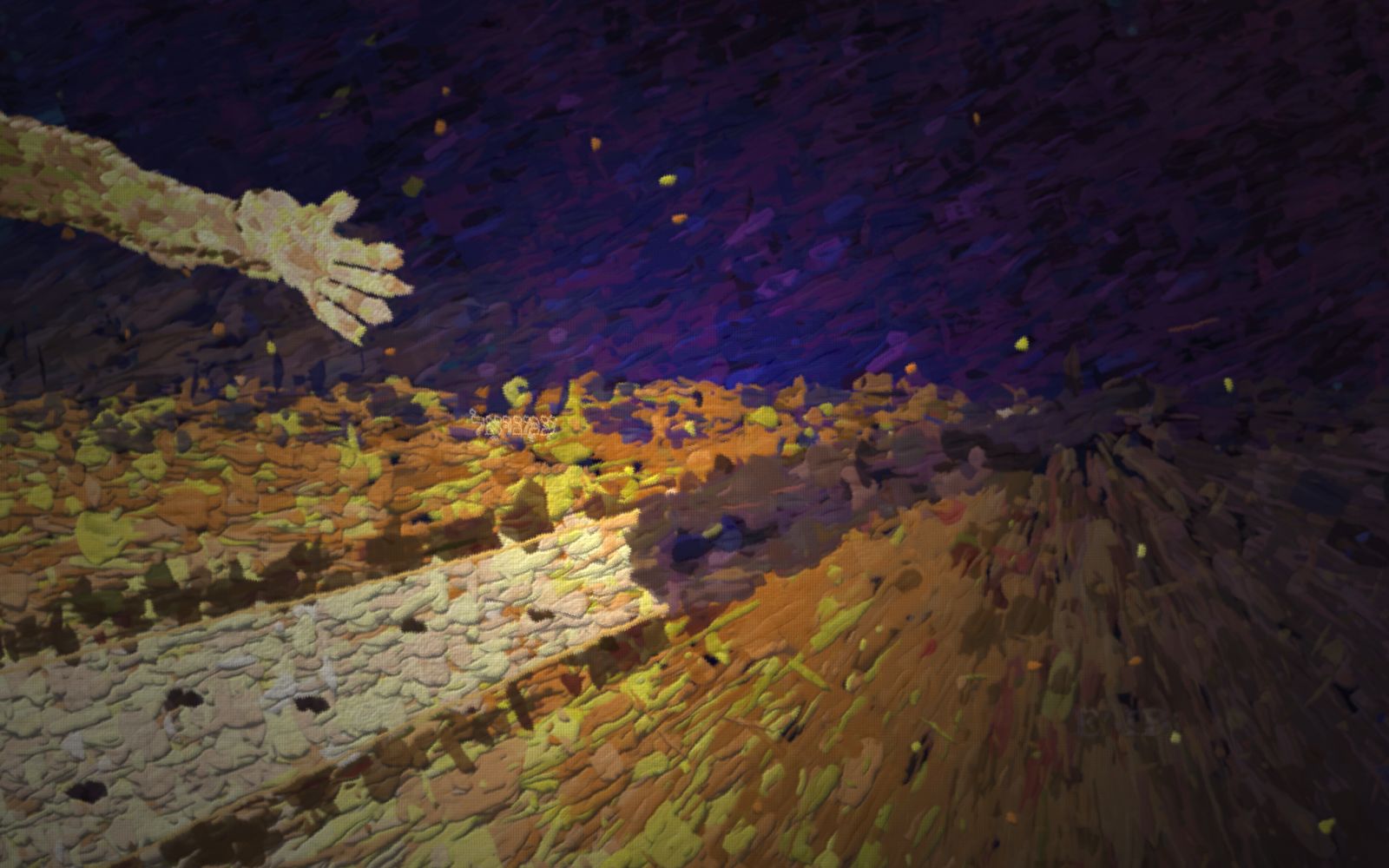
But you let go of His hand.
You turned your face away.
No one pushed you.
You walked into the dark.
"By one man sin entered into the world." — Romans 5:12

He came looking.
You hid.
But He called you —
and He called you by name.
"Where art thou?" — Genesis 3:9
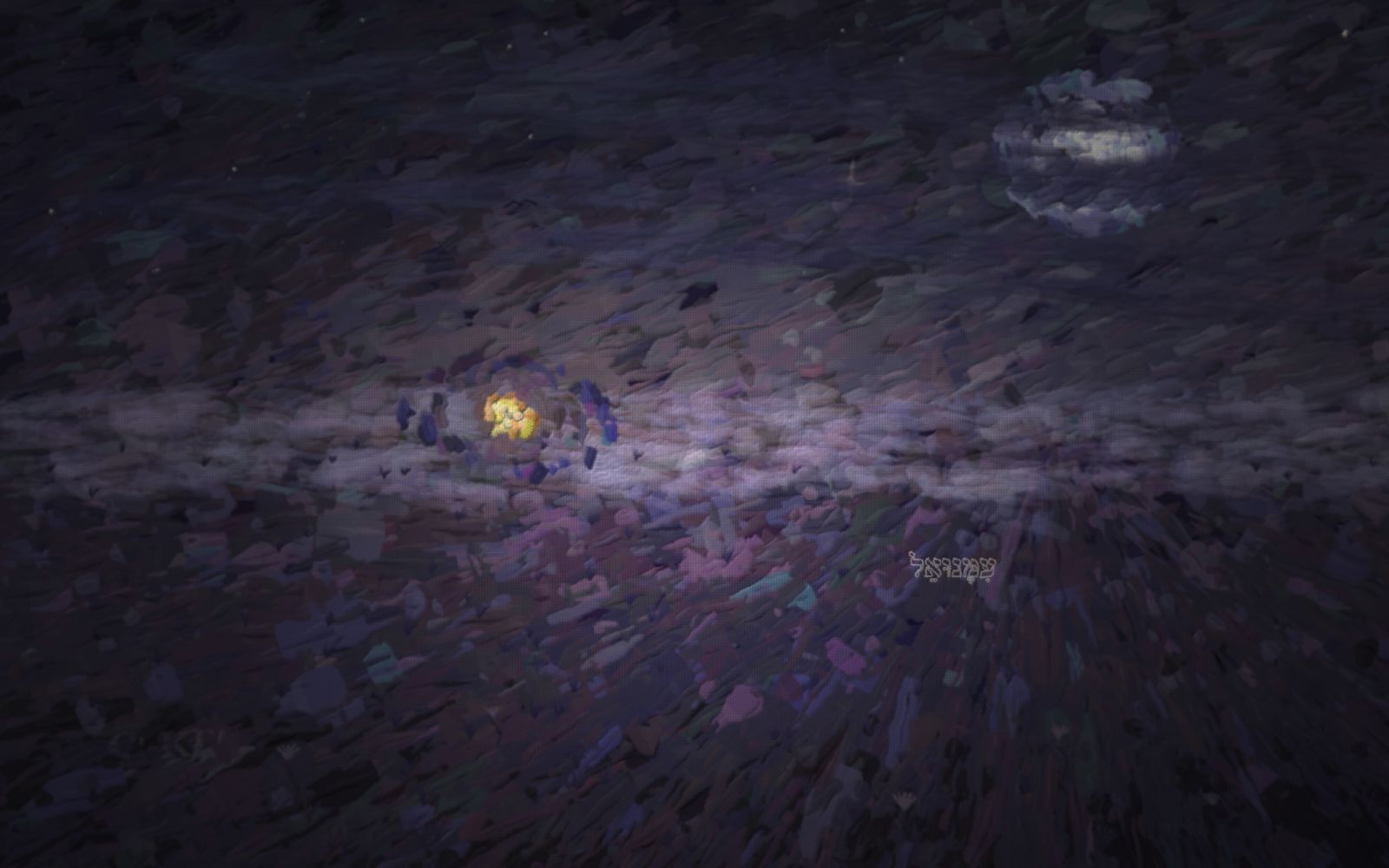
You went far into the dark.
Then farther.
You could not find the road.
You could not find your way home.
"The wages of sin is death." — Romans 6:23
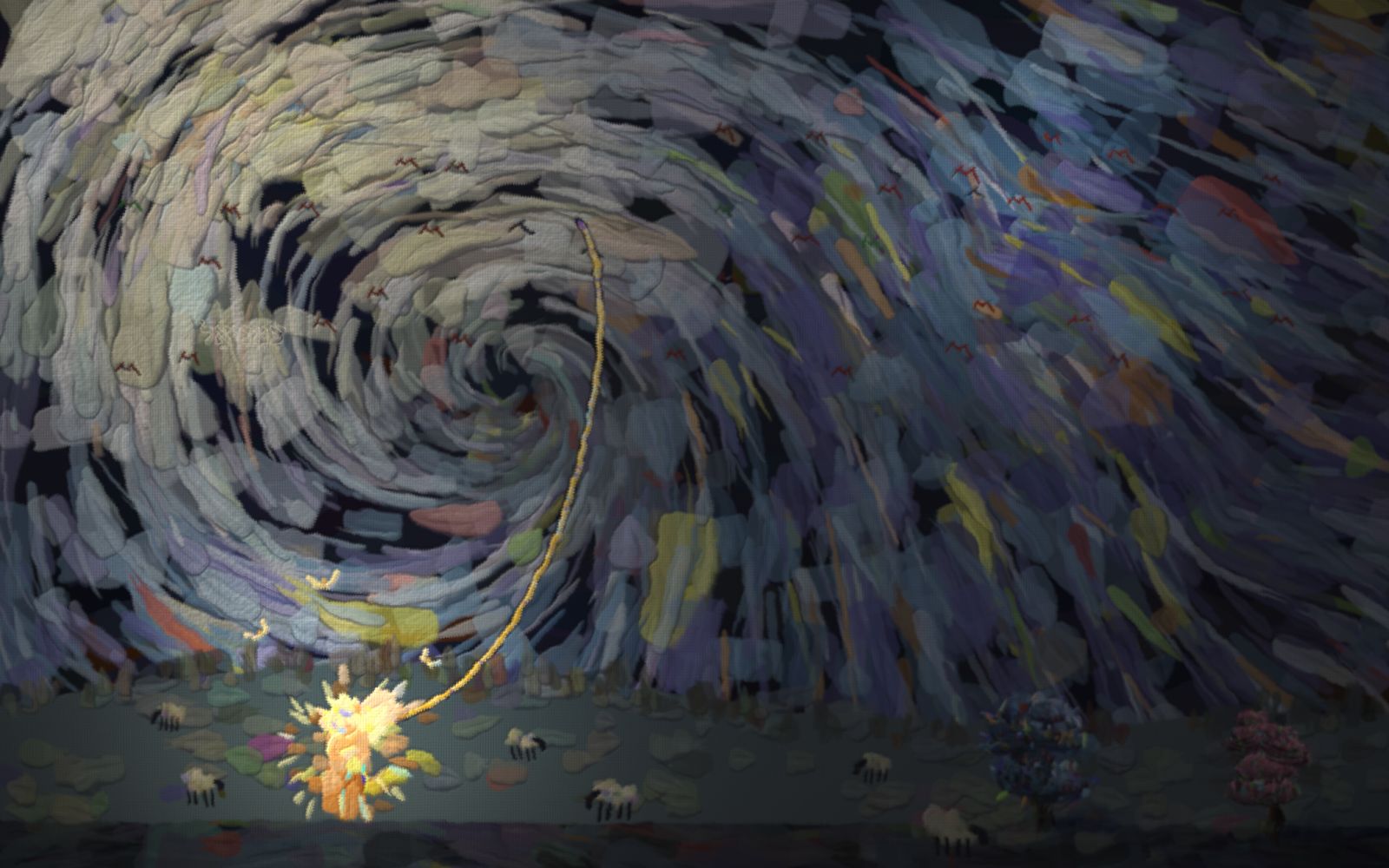
But even then —
far out, like a balloon on the wind —
He was holding the string.
He would not let you go.
"They shall never perish, neither shall any man pluck them out of my hand." — John 10:28
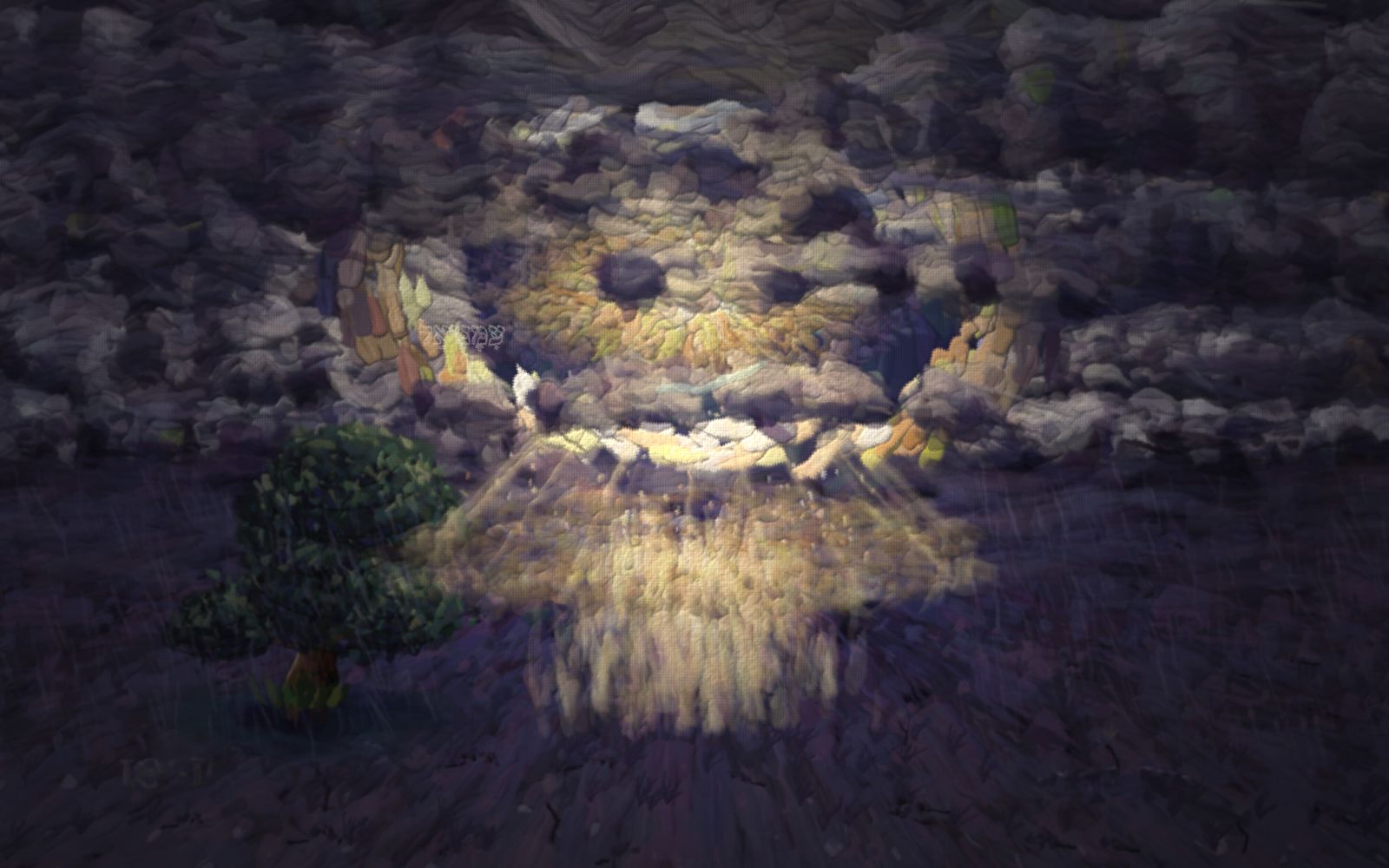
Then the Light did what no one expected.
He did not call from far away.
He did not send someone else.
He came down into the dark Himself —
and He looked until He found you.
"The Son of man is come to seek and to save that which was lost." — Luke 19:10
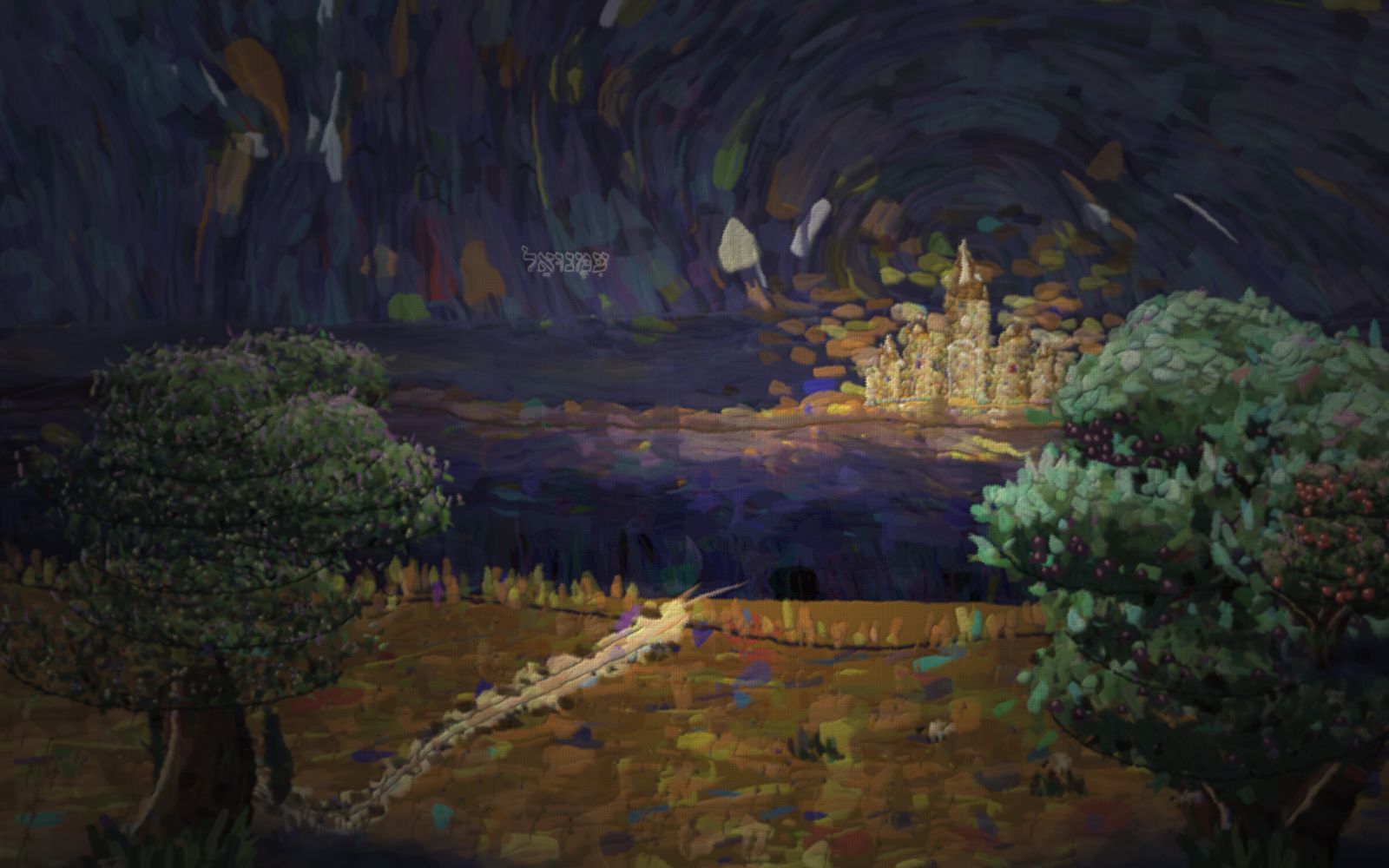
Now you wanted home
more than anything.
He set your feet on the road.
But the road stopped
at the edge of a deep, wide valley.
"I will arise and go to my father." — Luke 15:18
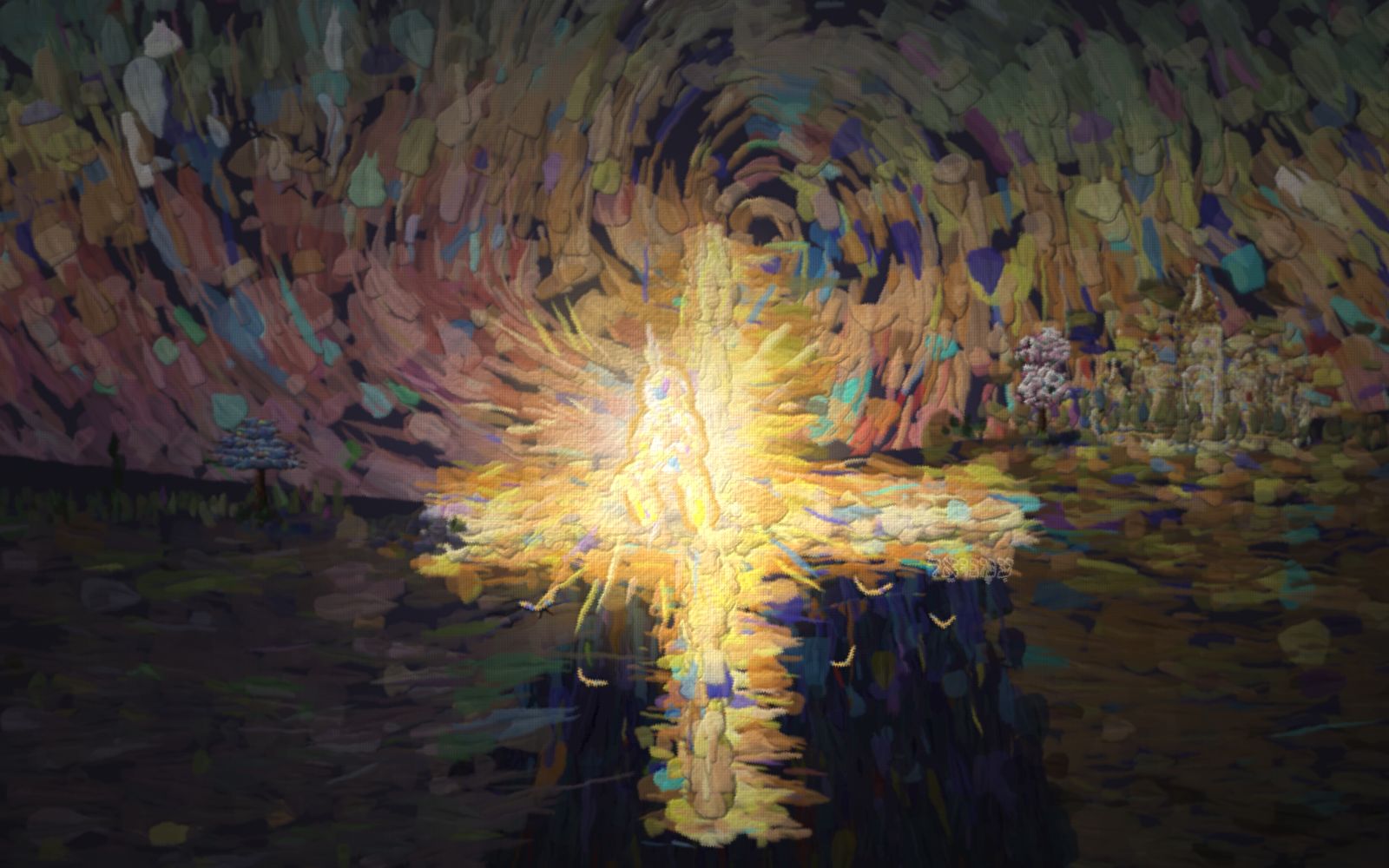
It was too wide to jump.
It was too deep to climb.
There was only one way over:
the Light would become the way.
"I am the way." — John 14:6
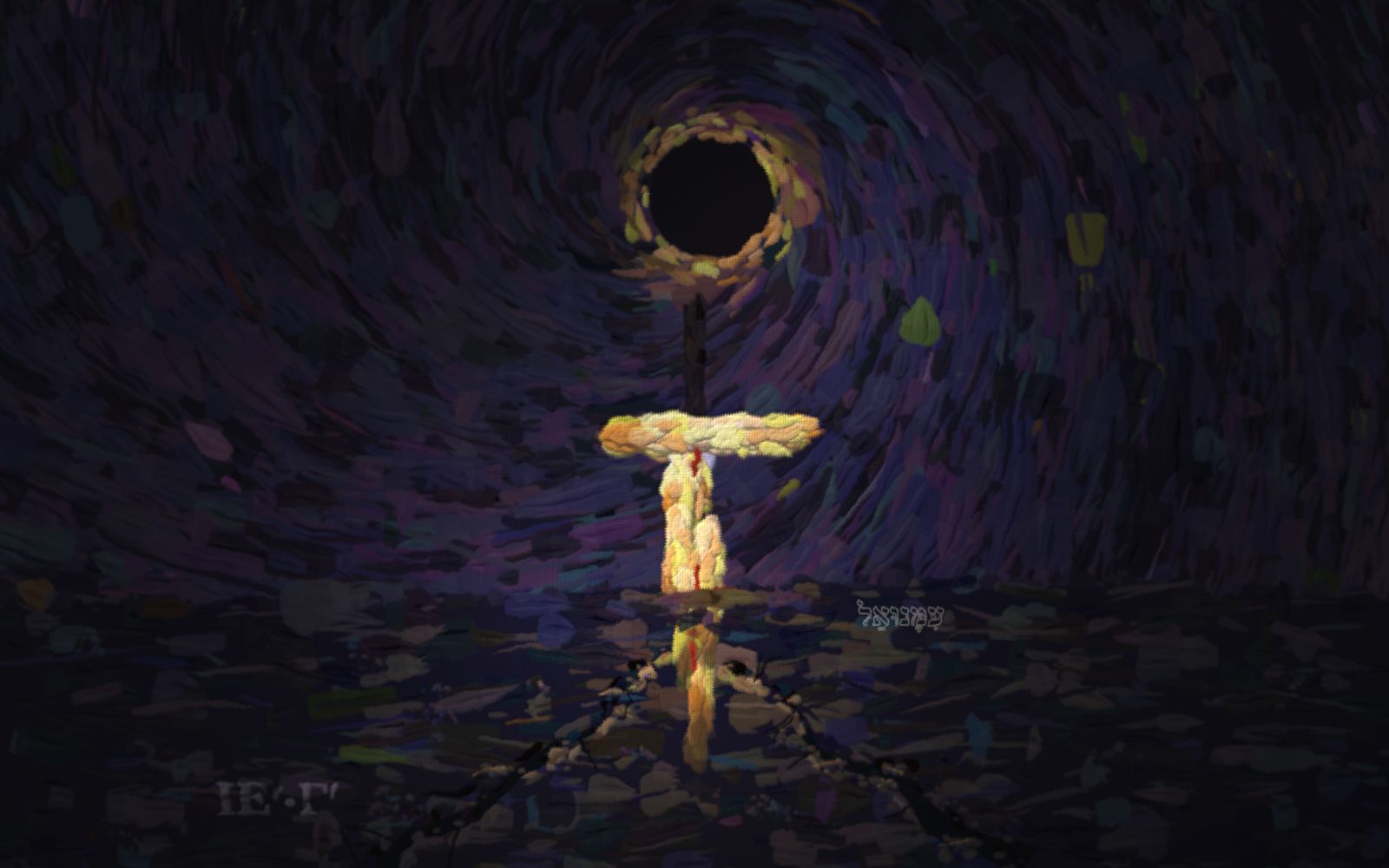
The way home cost everything.
The Light paid every bit.
He took the heavy dark
on His own back —
and carried it instead of you.
"Christ died for our sins." — 1 Corinthians 15:3
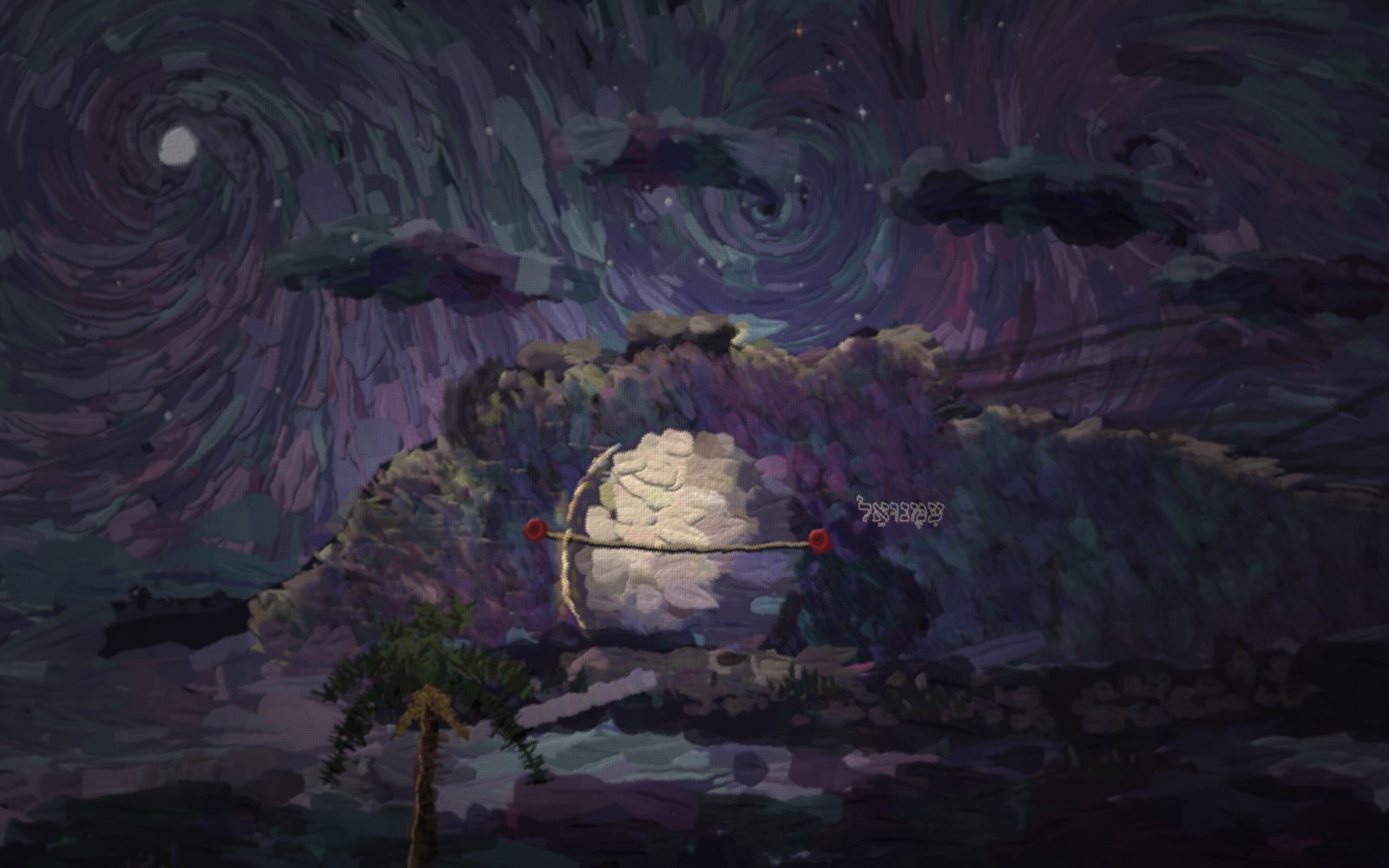
They laid Him in the dark.
They shut it with a stone.
For three days
the whole world held its breath.
"He was buried…" — 1 Corinthians 15:4
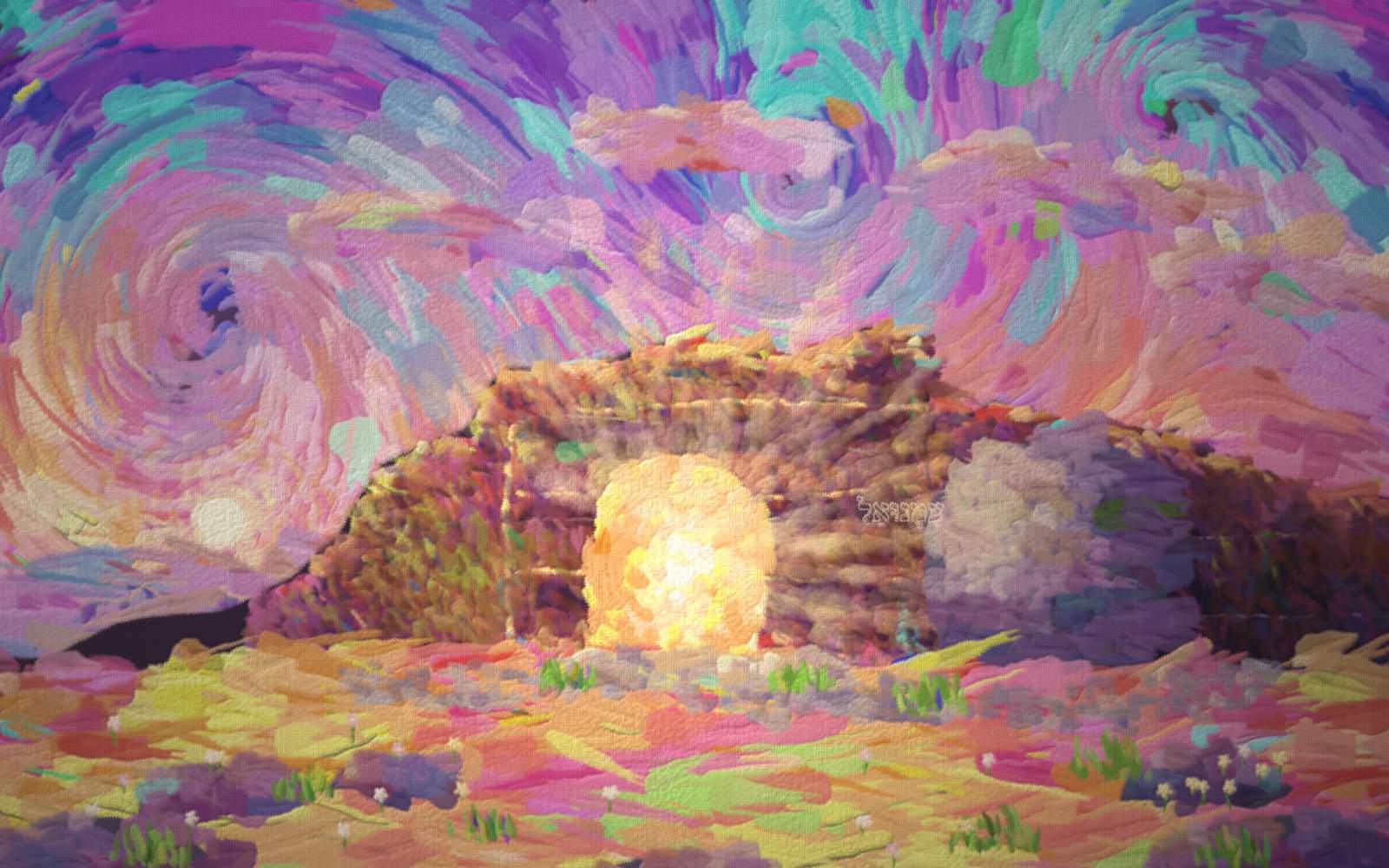
The dark could not hold Him.
The stone could not keep Him.
On the third morning
the Light stood up.
"He is not here: for he is risen." — Matthew 28:6
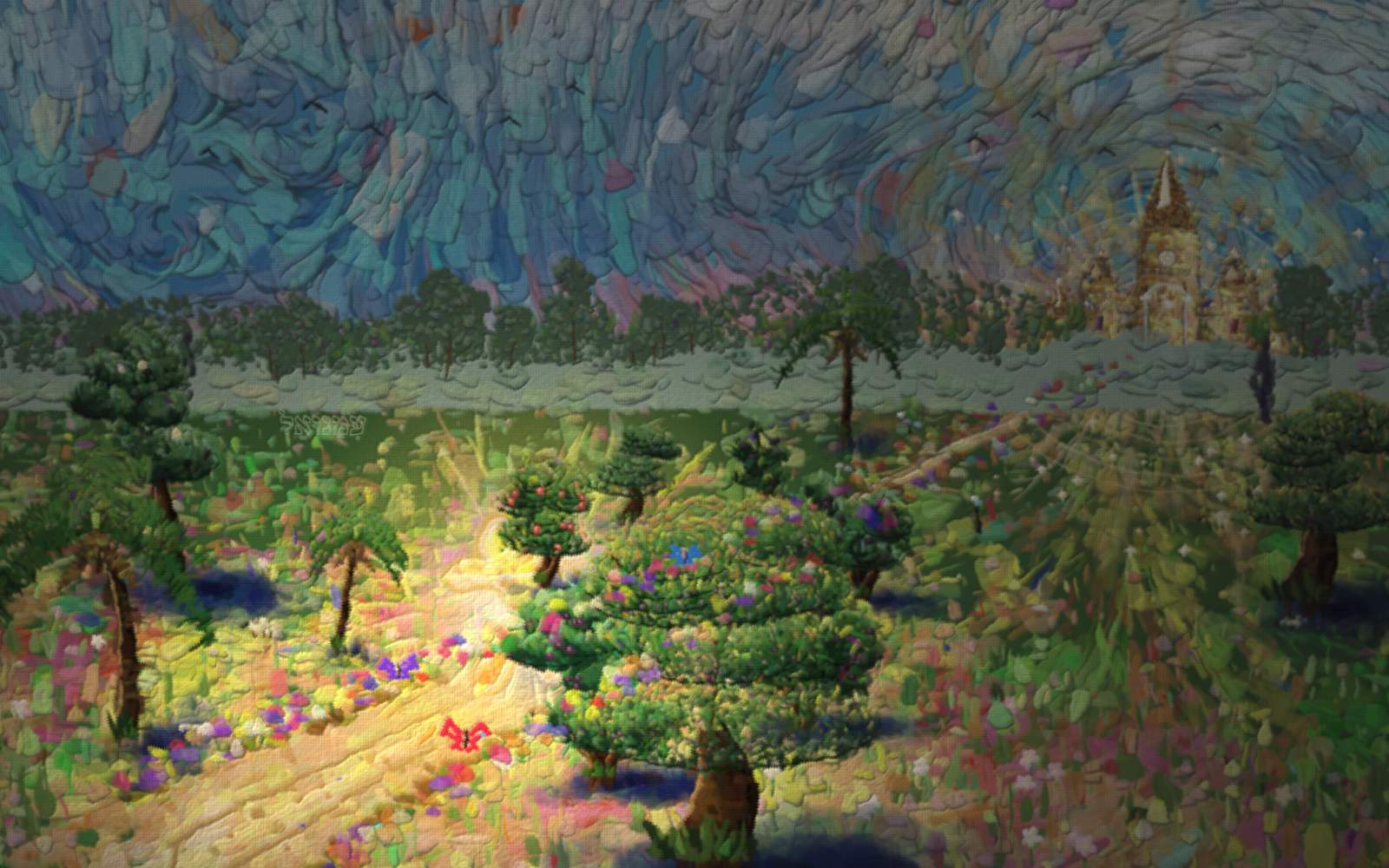
You still could not walk
the last step home.
But while you were a long way off,
He saw you — and He ran.
He would not let you go.
"When he was yet a great way off, his father saw him… and ran." — Luke 15:20
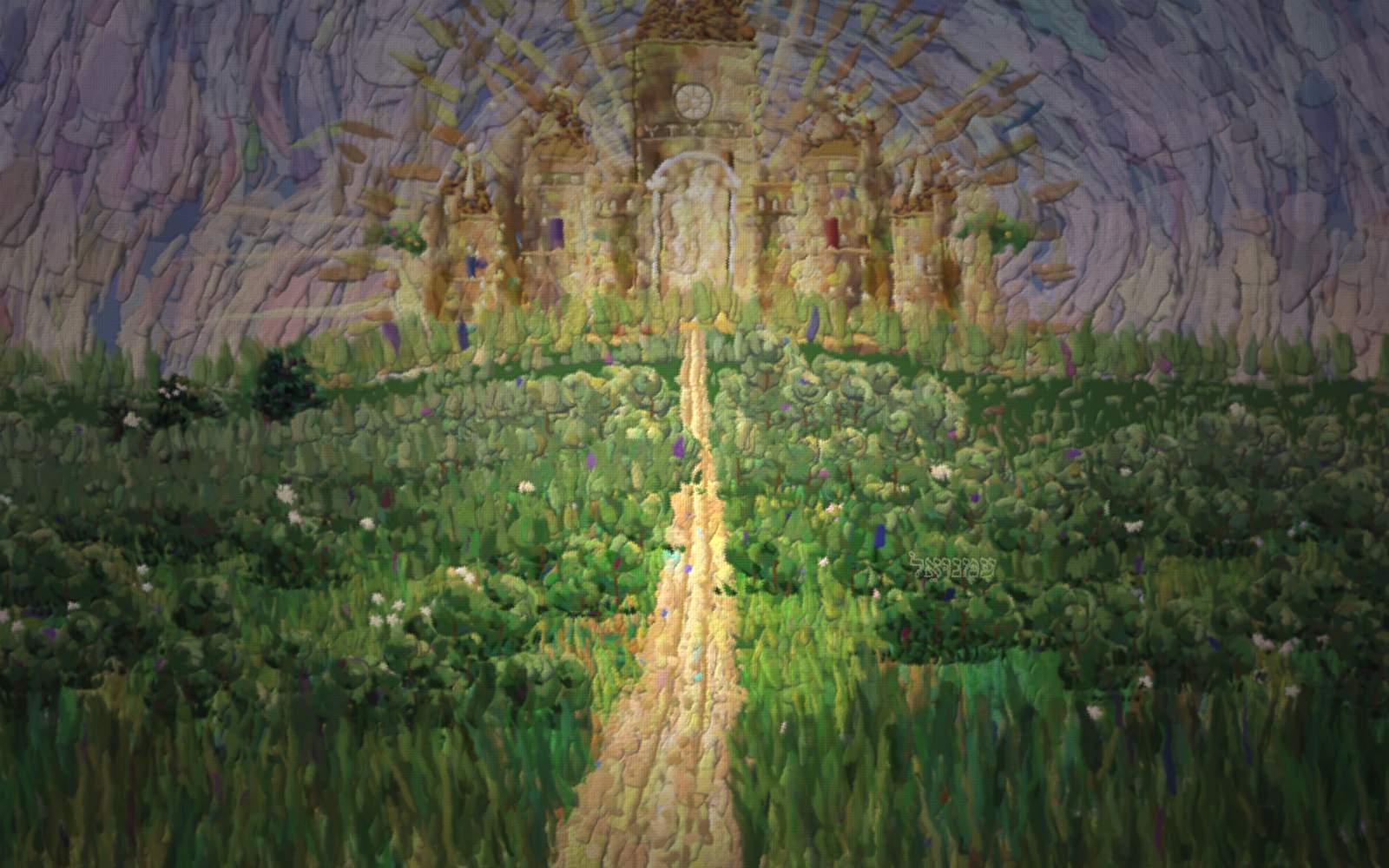
The way home stood open.
It was a gift.
You did not buy it.
You only opened your hands
and said: thank you.
"It is the gift of God." — Ephesians 2:8
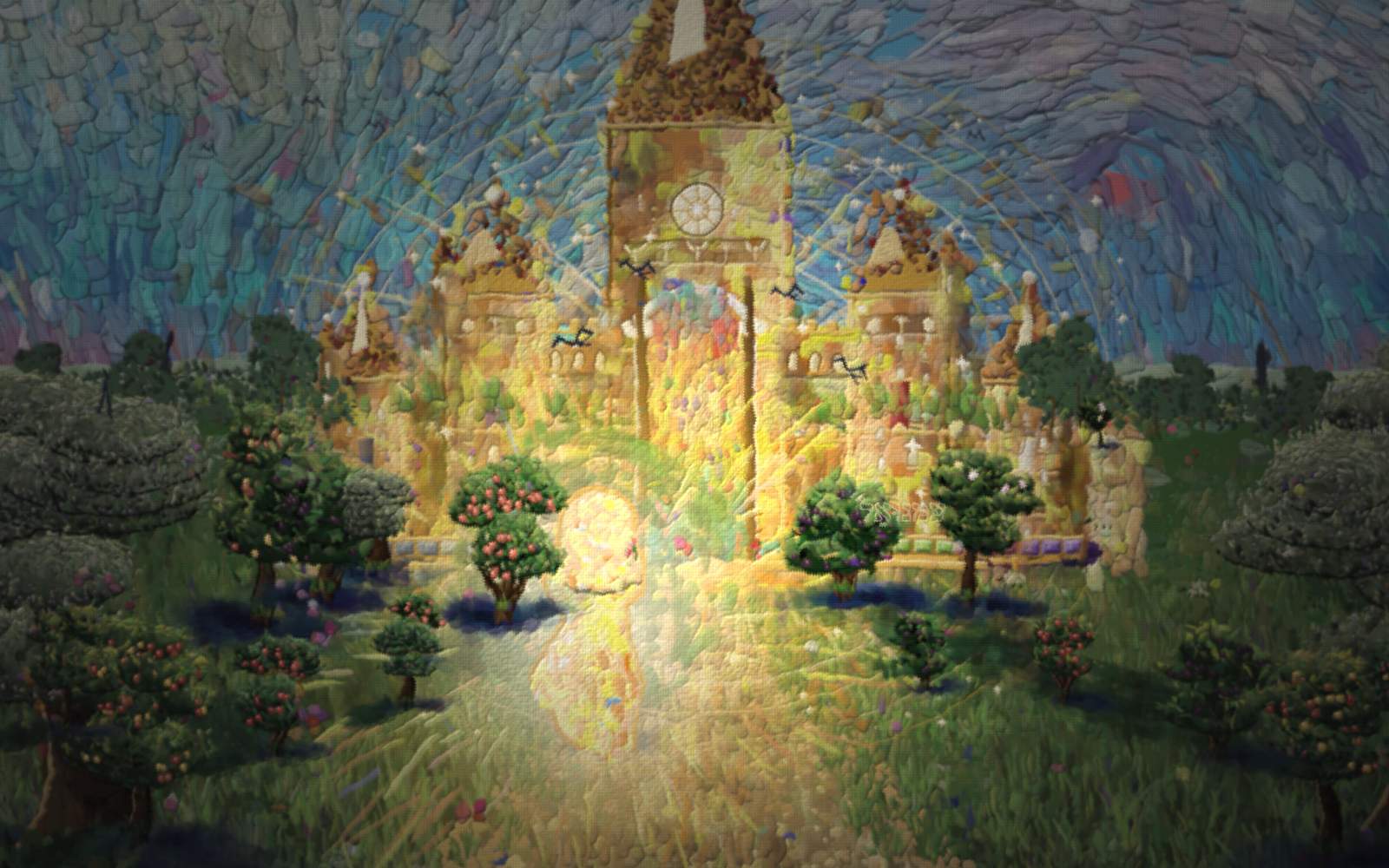
He carried you the last of the way,
in through the open door.
Once: lost in the dark.
Now: home in the Light.
"This my son was dead, and is alive again." — Luke 15:24
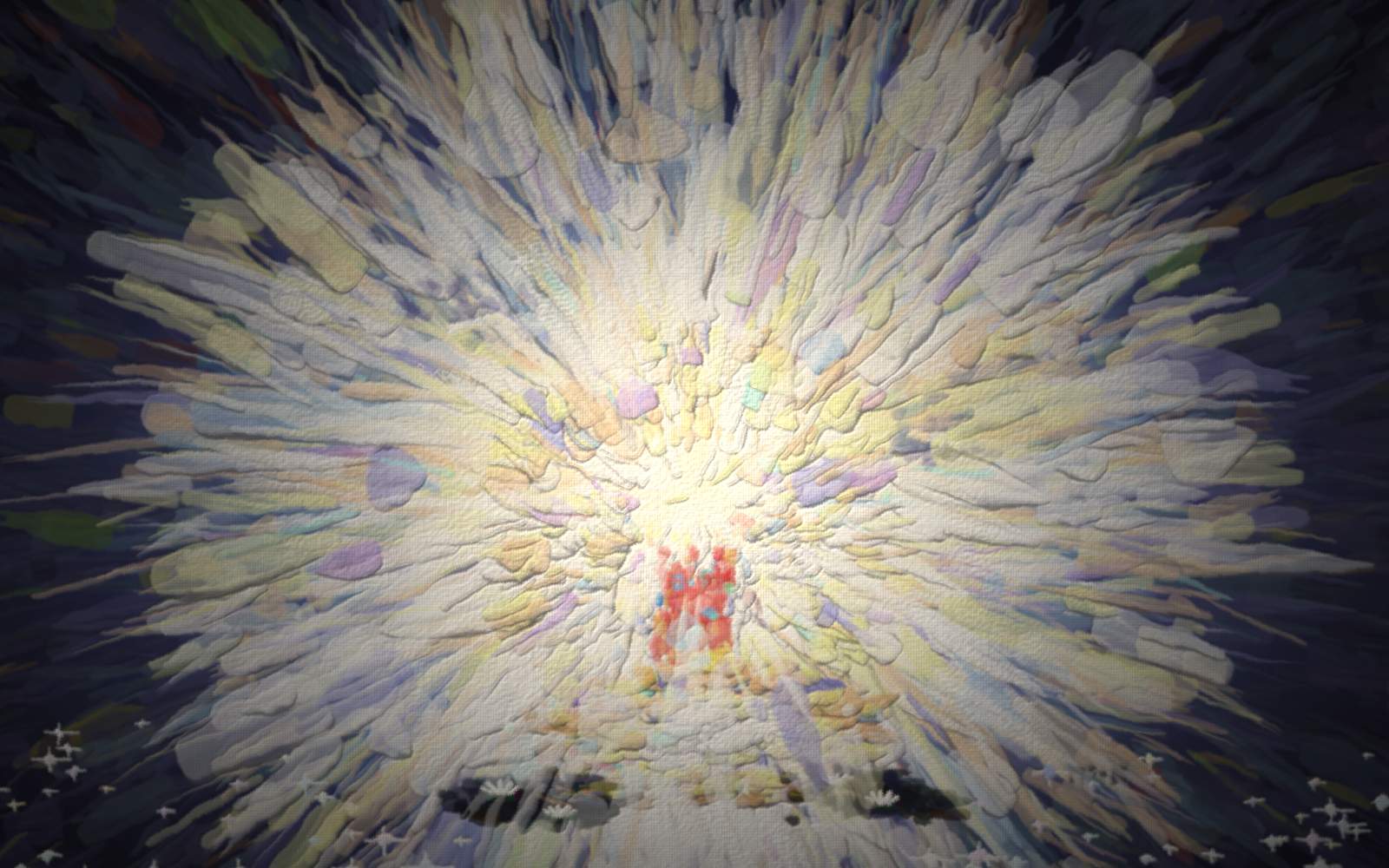
He washed you with His own hands.
Every stain went.
What was red
is white as snow.
"Though your sins be as scarlet, they shall be as white as snow." — Isaiah 1:18
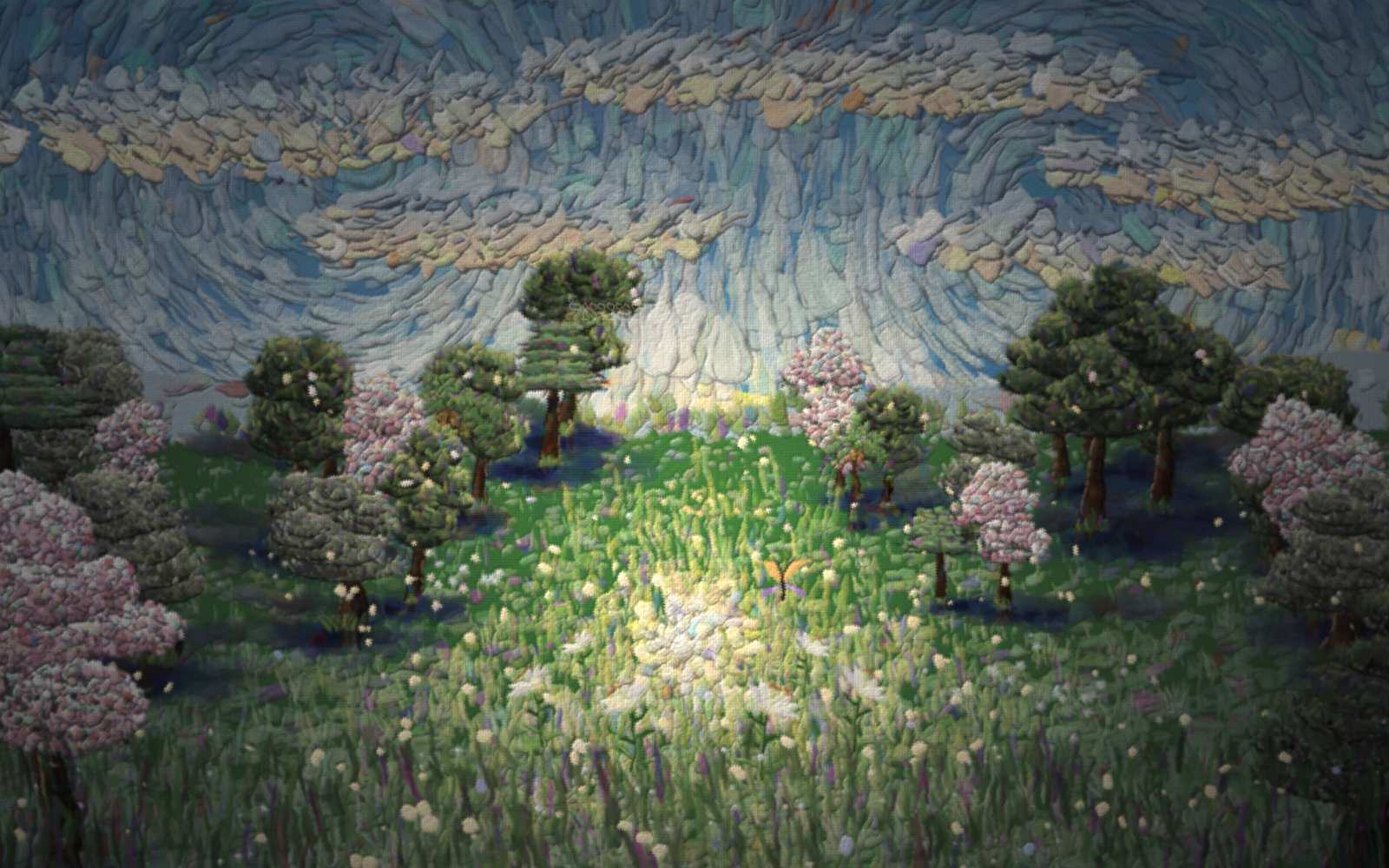
He made you new.
Not mended — new.
And He put His own light
inside you.
"If any man be in Christ, he is a new creature." — 2 Corinthians 5:17
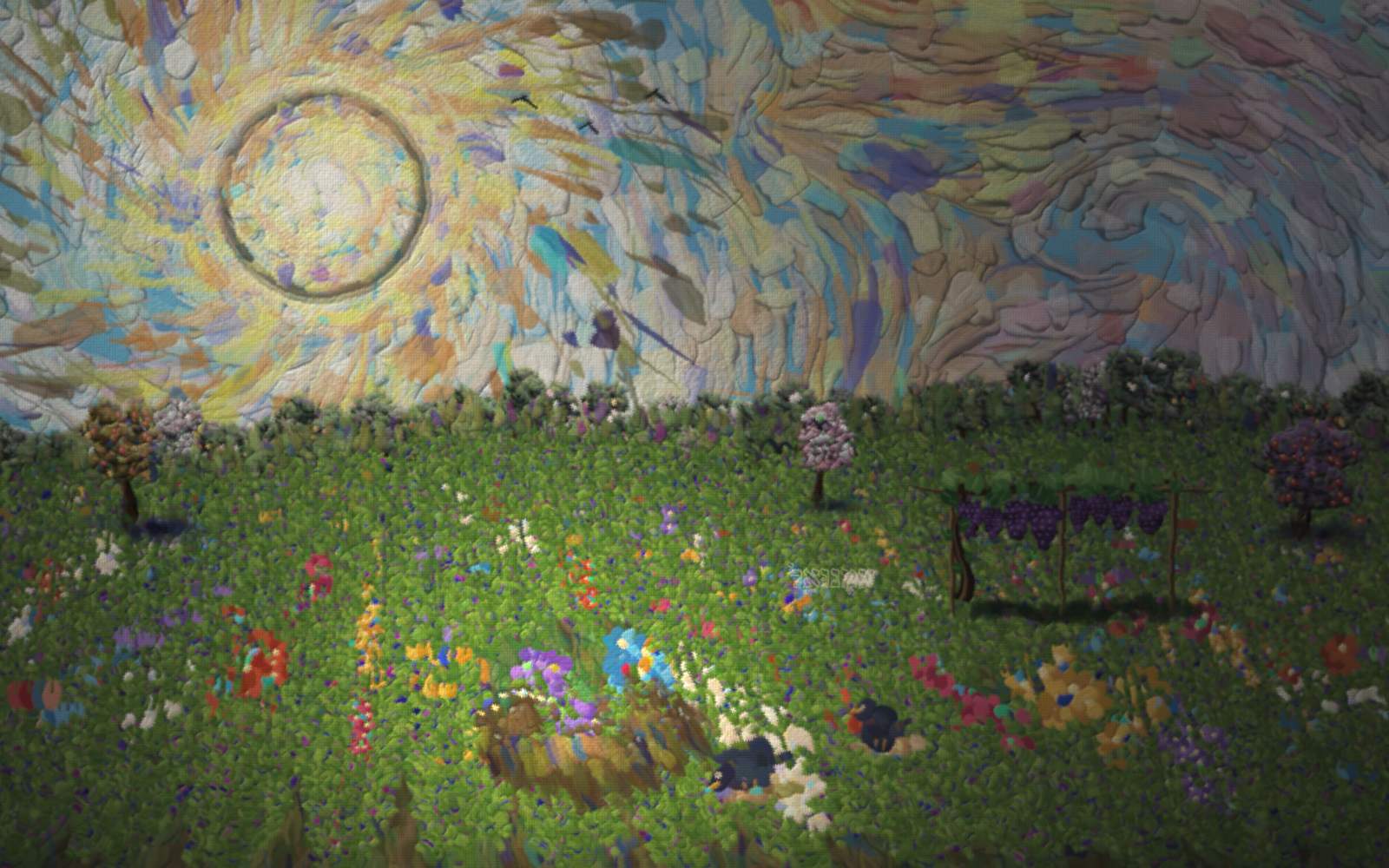
Your life began again.
Everything you planted grew.
Everything you watered
came into flower —
and the flowers into fruit.
"He that abideth in me… bringeth forth much fruit." — John 15:5
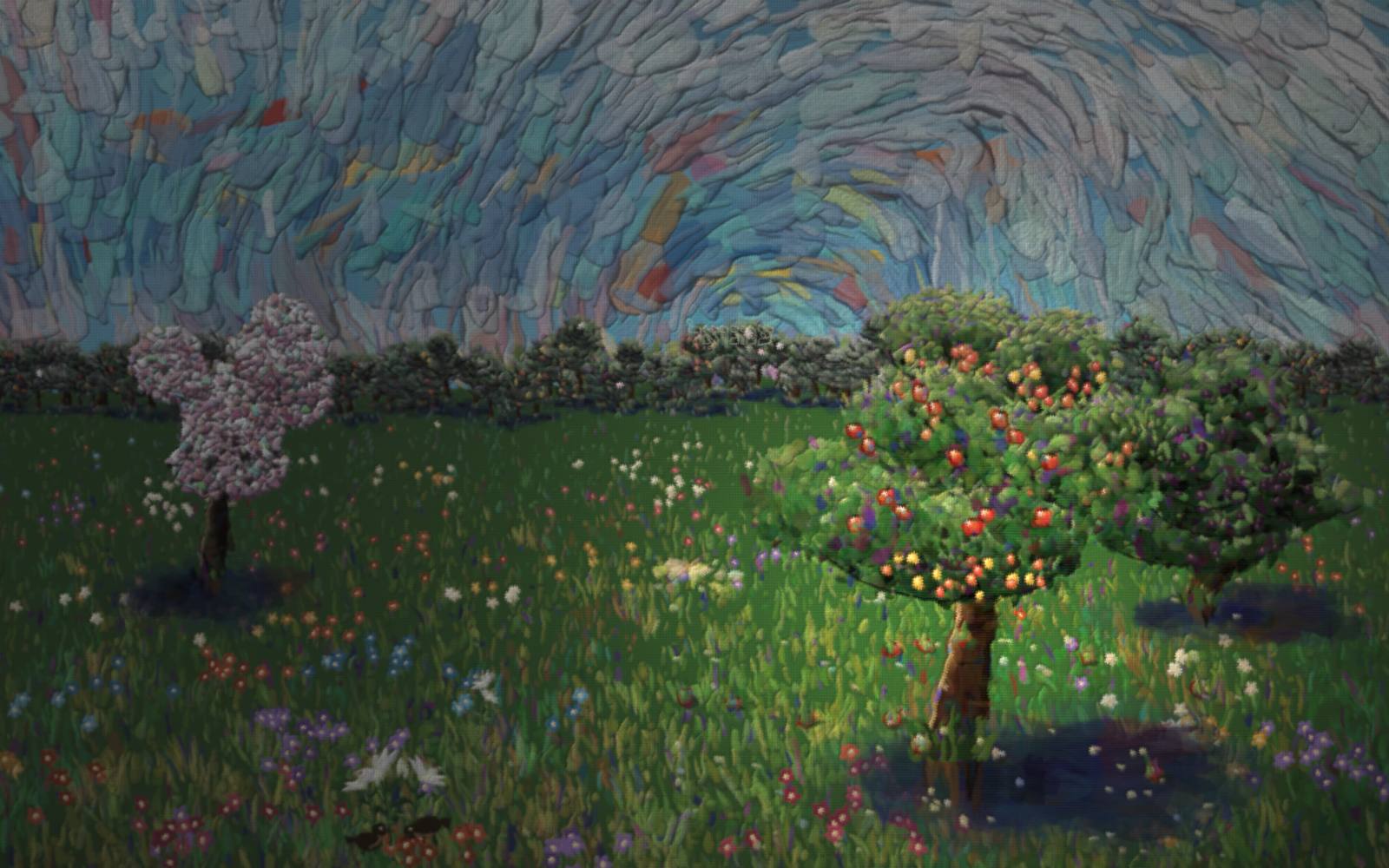
Every day He feeds you.
Every night He keeps you.
And He lights the next step
of the way.
"I am the bread of life." — John 6:35
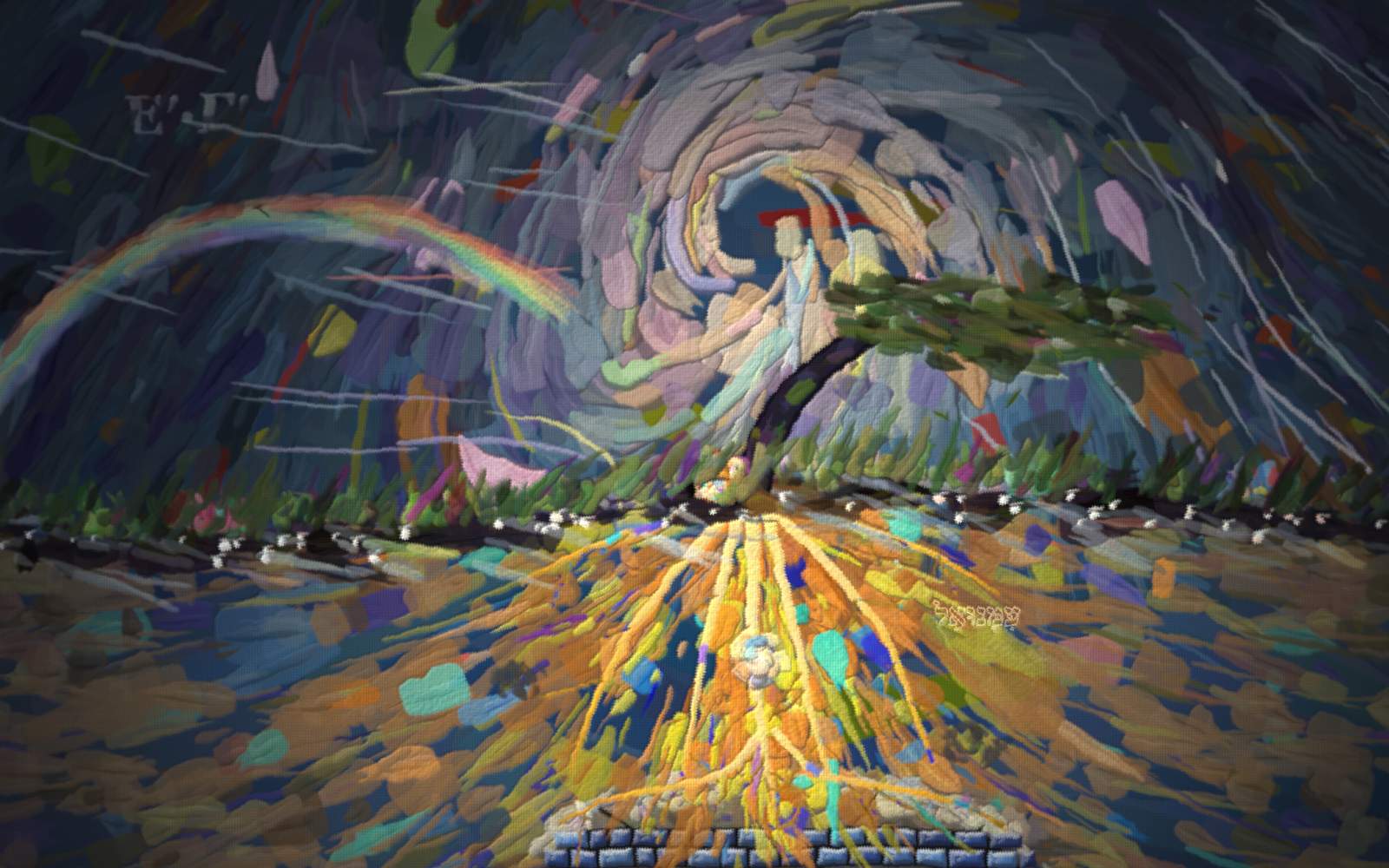
Storms still came.
Storms always do.
But your roots had gone down deep,
and they held.
He would not let you go.
"The floods came… and it fell not: for it was founded upon a rock." — Matthew 7:25
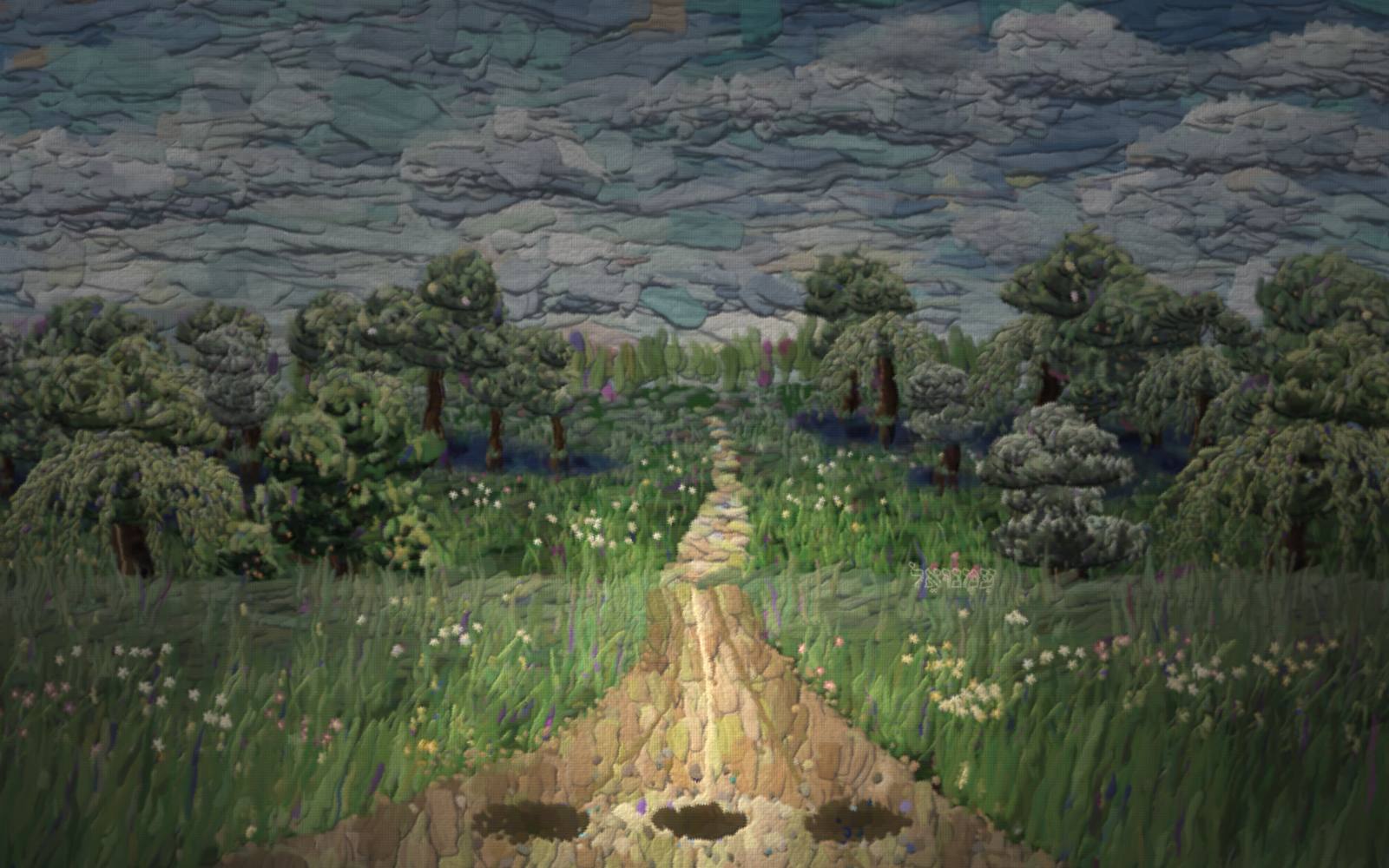
You were not alone.
Others walked the road with you.
When one of you slipped,
the rest held on
and pulled you up.
"A threefold cord is not quickly broken." — Ecclesiastes 4:12
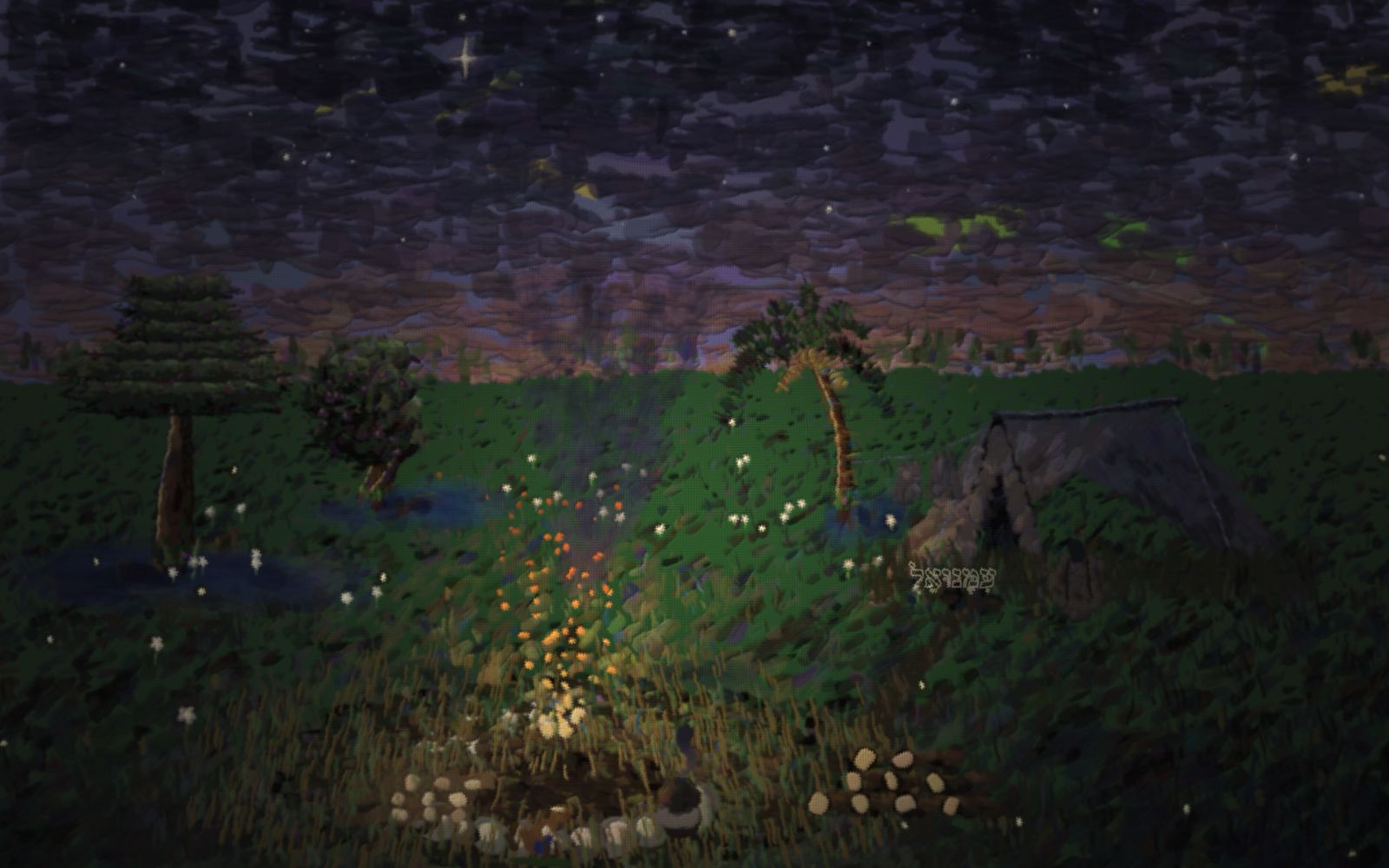
He gave you a whole family:
many faces,
one Light.
"They continued stedfastly in… fellowship, and in breaking of bread." — Acts 2:42
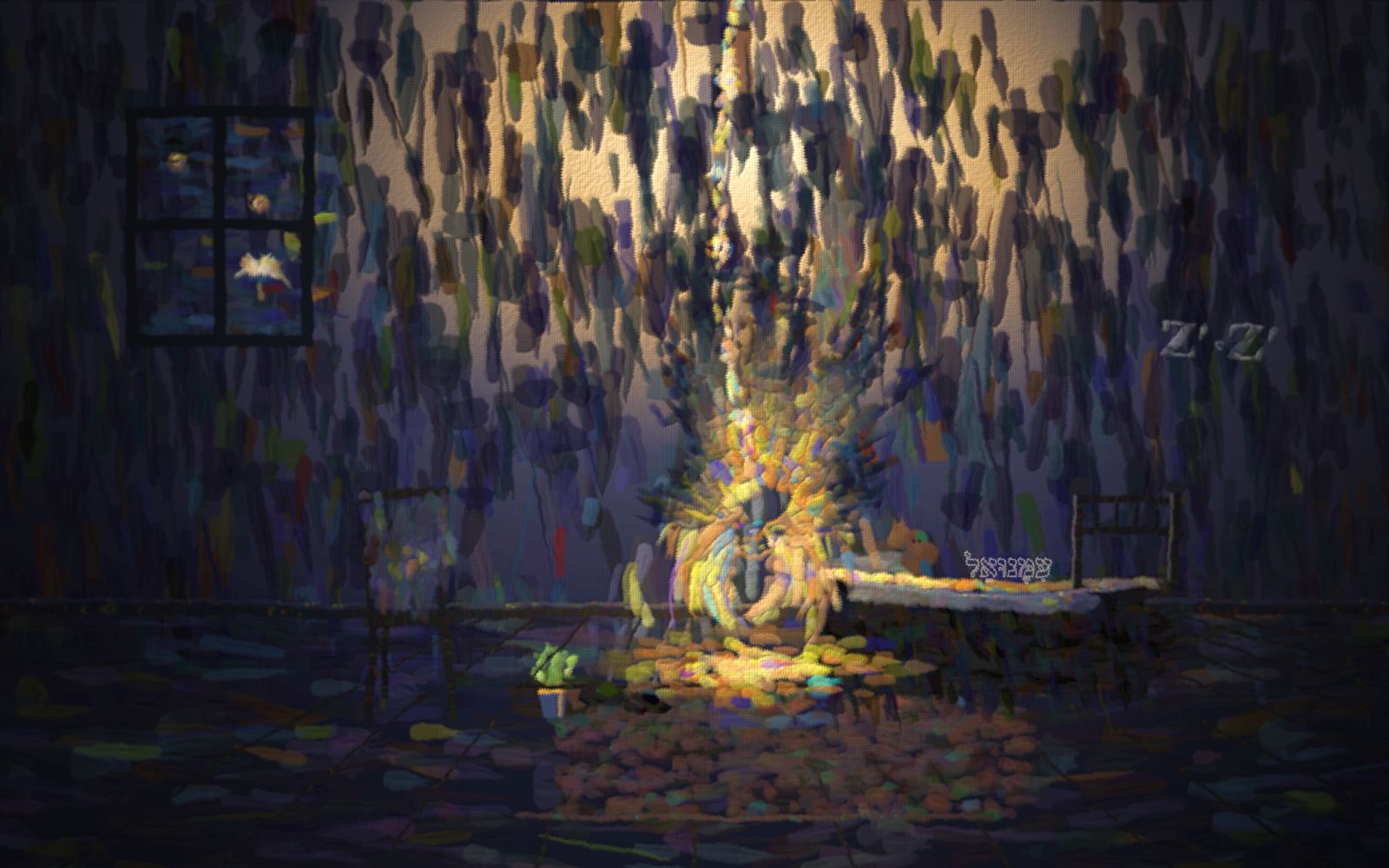
When the dark came close,
you talked to Him.
He always answered.
He always said: I am here.
"Call unto me, and I will answer thee." — Jeremiah 33:3
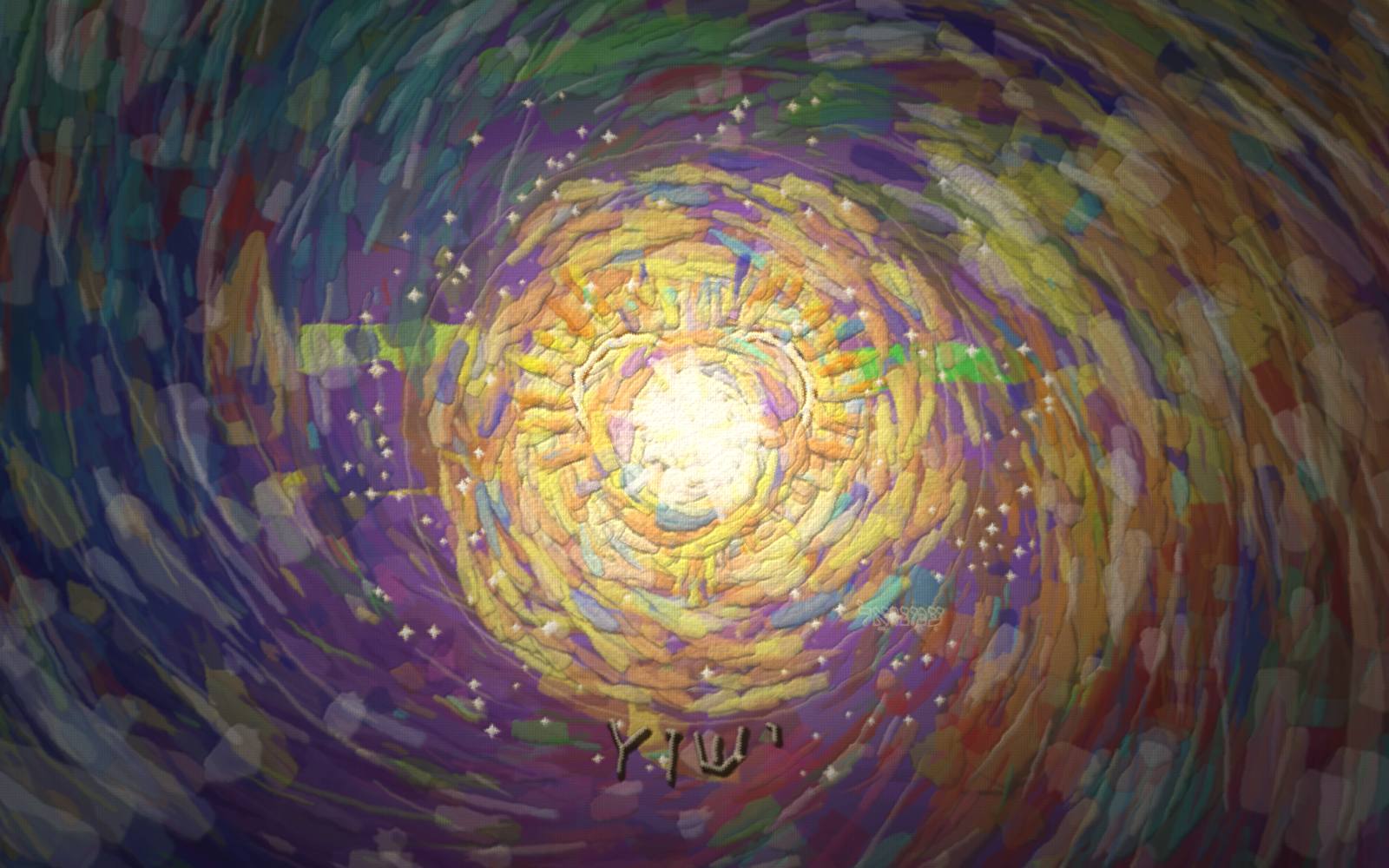
The Light who made you.
The Light who loved you.
The Light who came down
to bring you home.
This Light is God, and His name is Jesus.
"I am the light of the world." — John 8:12
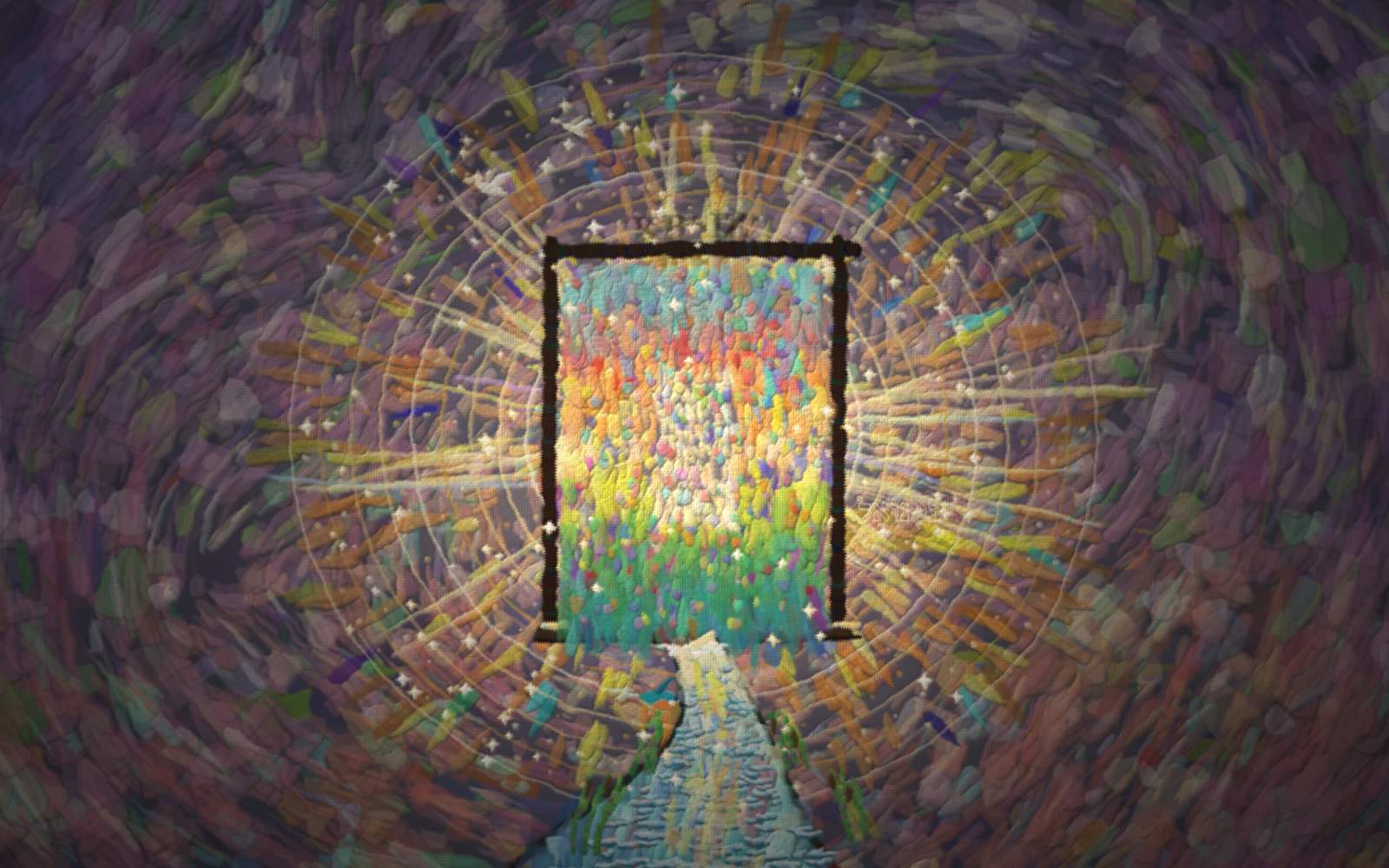
Now He holds the door open.
Will you come home?
"Whosoever will, let him take the water of life freely." — Revelation 22:17
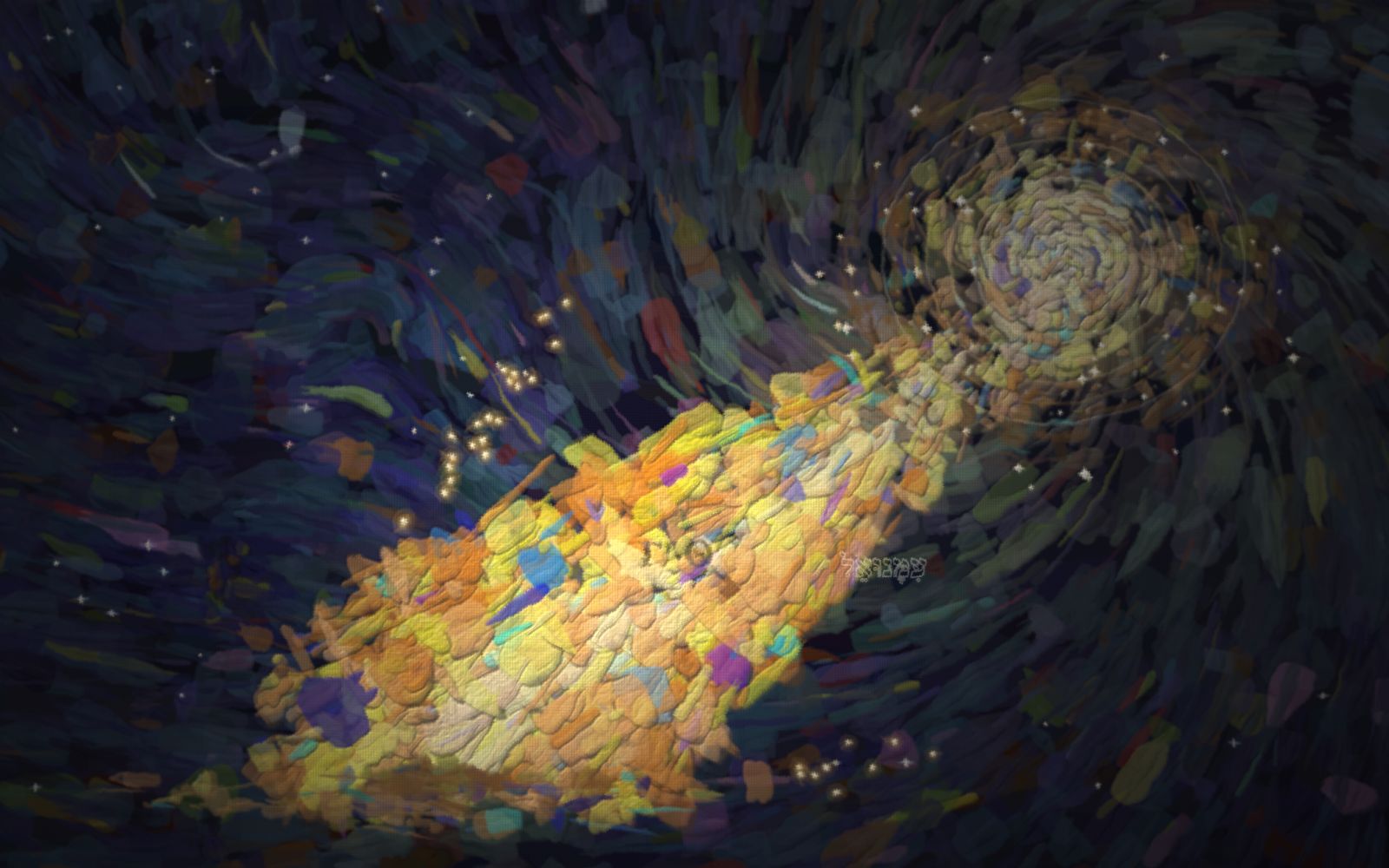
Then He gives you work to do —
the best work there is.
Take a friend's hand.
Show them the way home.
"We are labourers together with God." — 1 Corinthians 3:9
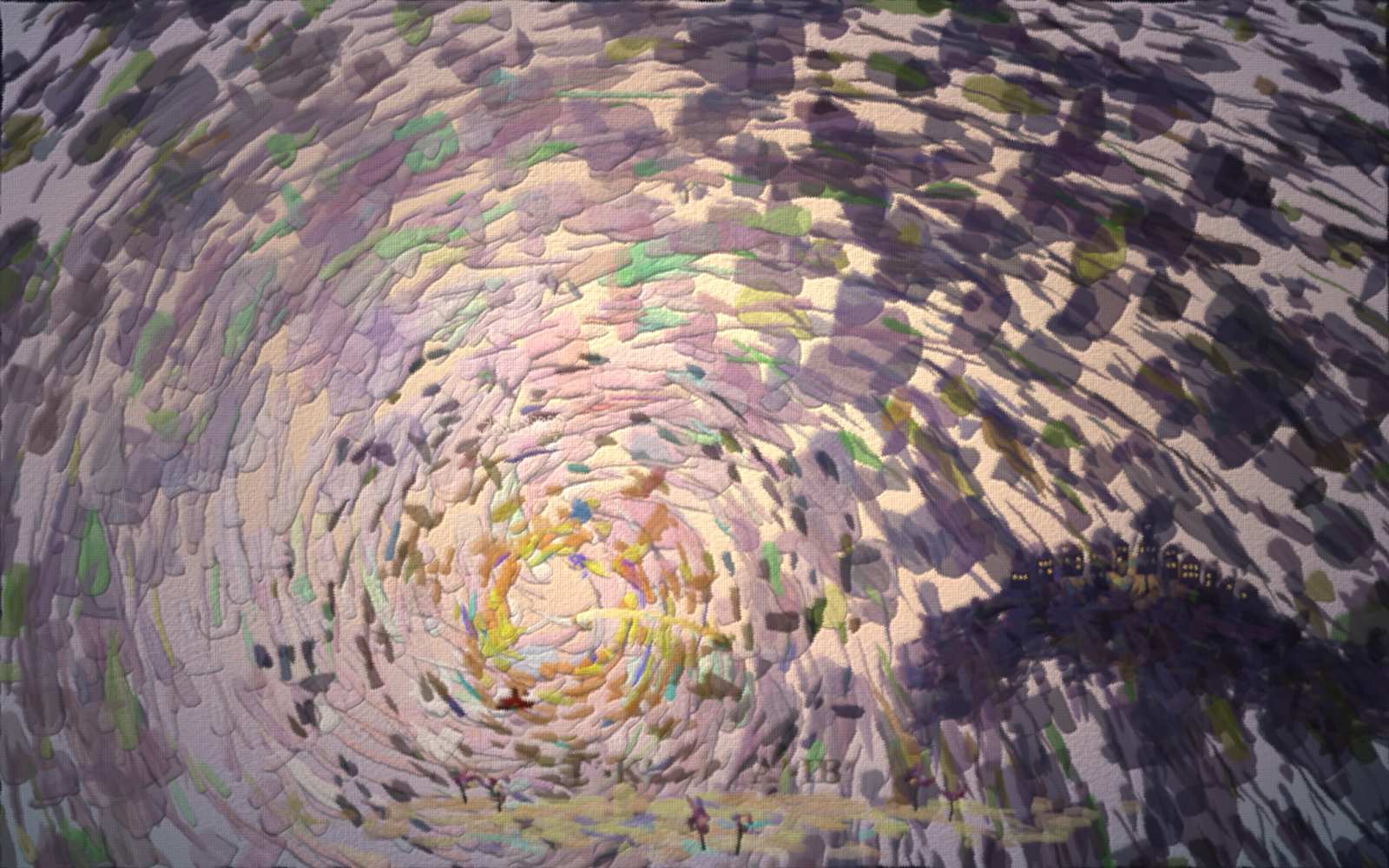
His light is in you now.
So carry it into the dark.
One small light
is enough to see by.
"Let your light so shine before men." — Matthew 5:16
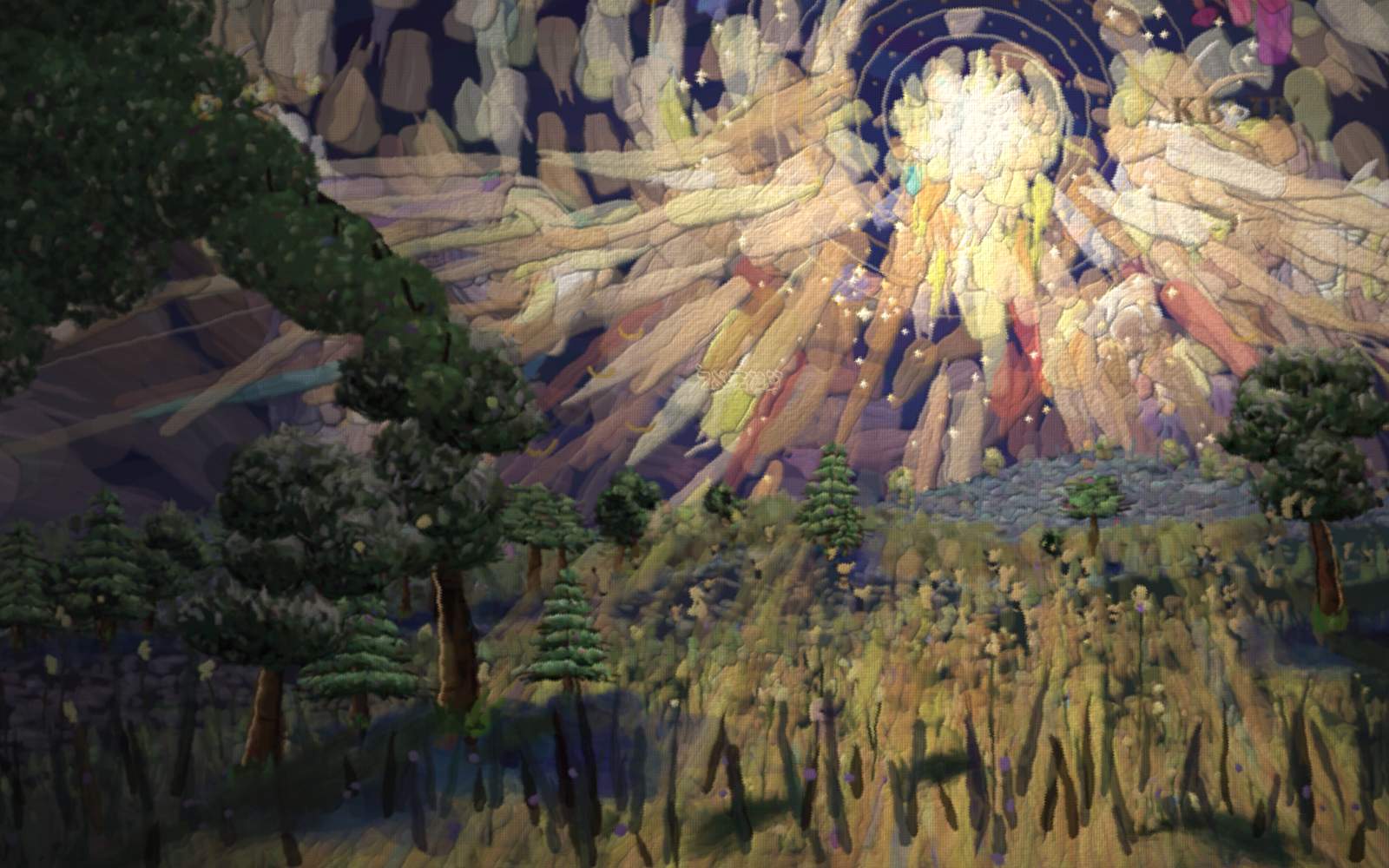
One day soon
the Light is coming back.
Not for the world only.
For you.
"Behold, I come quickly." — Revelation 22:12
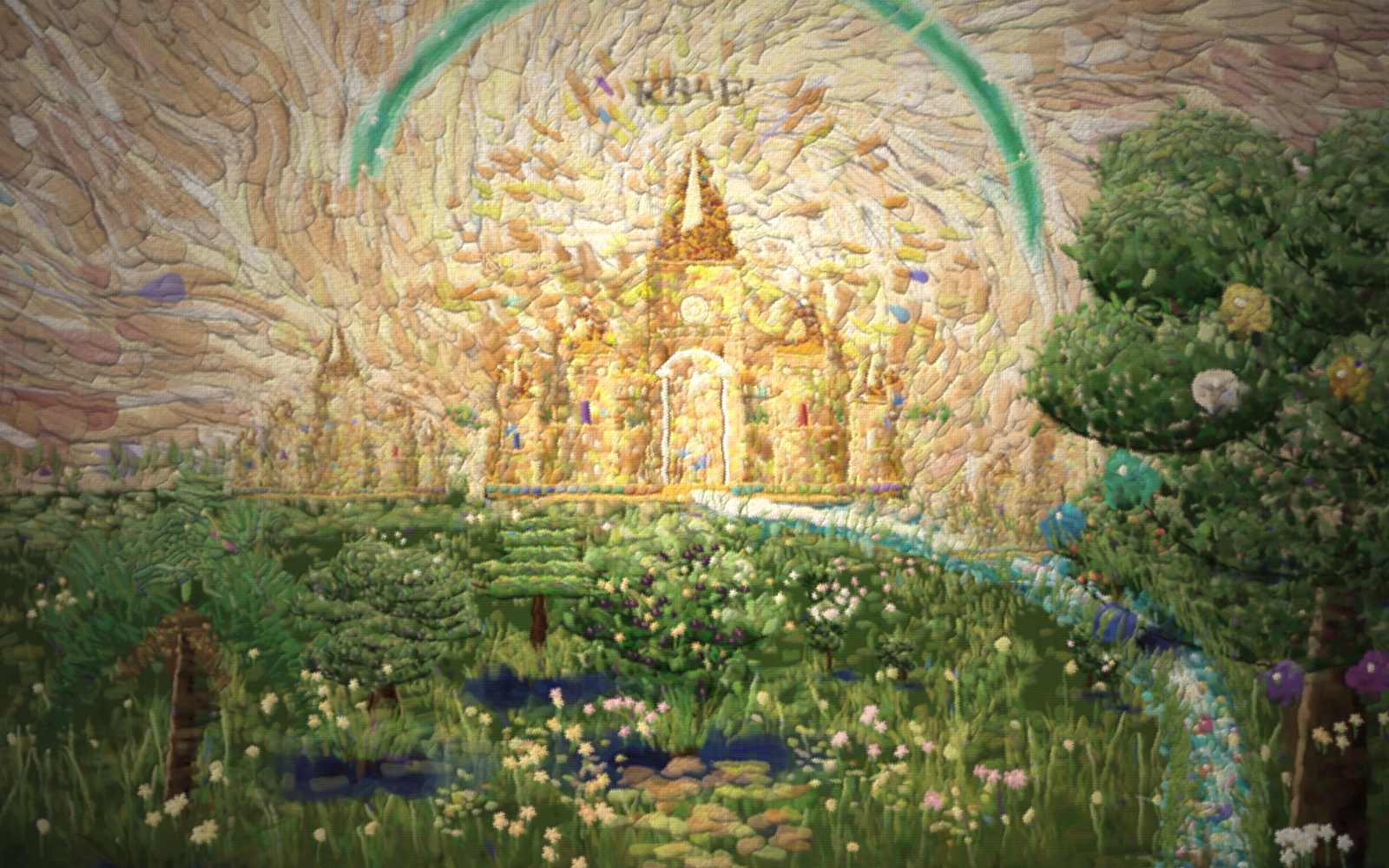
At last you will be home for good.
No more dark.
No more tears.
No more night —
only the Light.
"There shall be no night there… for the Lord God giveth them light." — Revelation 22:5
You came from the Light.
You are going home to the Light.
And all the way —
there was the Light.
Every light here is one verse; the red thread is the blood. "In him was life; and the life was the light of men." — John 1:4 · all 31,102 verses, placed by their true distance from the Word.